
EDITION 41 - JANUARY 15, 2026

Your window into the stories, history, and ongoing work to preserve Yosemite’s climbing legacy.
A Note from the Editor
I climbed at Five and Dime last Saturday, and though the Valley floor had a thin veneer of snow—and many of the walls looked chilly and white—Five and Dime was snow-free. It was T-shirt weather.
Sunny skies and warm temps (highs in the upper 50s to low 60s) are expected to continue for at least the next week.
It looks like now is a great time to climb at Reed’s, and also in the lower Merced River Canyon, including Pat and Jack, Cookie Cliff, Arch Rock, and Parkline Slab.
In Yosemite news, Badger Pass Nordic opened on January 9, and the Badger Pass ski area opens on January 16.
As for road conditions, “Expect 15-minute delays on El Capitan Bridge, Monday through Friday, 7 a.m. to 6 p.m.,” says the Park Service.
Regarding the upcoming Yosemite Firefall, expected in mid to late February—when the setting sun illuminates Horsetail Fall on the east side of El Cap, turning it into a lava-red flow—reservations are not required.
On January 13, in a story by Sam Stevenson in Newsweek titled, “Yosemite National Park changes entrance rules ahead of rare phenomenon,” Stevenson writes:
Special reservations will not be required to visit Yosemite or the Horsetail Fall area in February 2026 ahead of the anticipated arrival of a rare natural phenomenon at the site, the National Park Service has announced.
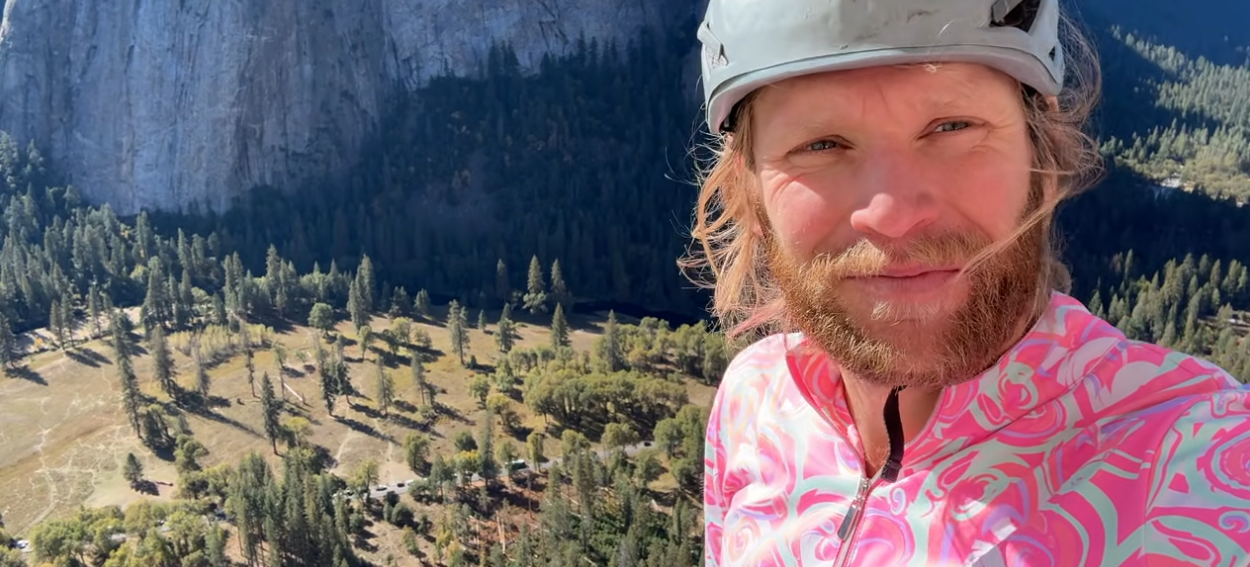
In climbing news, on January 11, Brandon Pullan at Gripped wrote: “Climbers Bag Speed Record on Famous Yosemite Big Wall.” Pullan writes:
Tangerine Trip, which was first climbed by Charlie Porter and Jean-Paul de St. Croix in 1973, was done in record time last fall by Brant Hysell and Dan Gosselin in a time of 7 hours and 57 minutes. The previous record was by Alex Honnold and David Allfrey in 9 hours and 28 minutes back in 2014.
Watch the 25-minute YouTube video here:
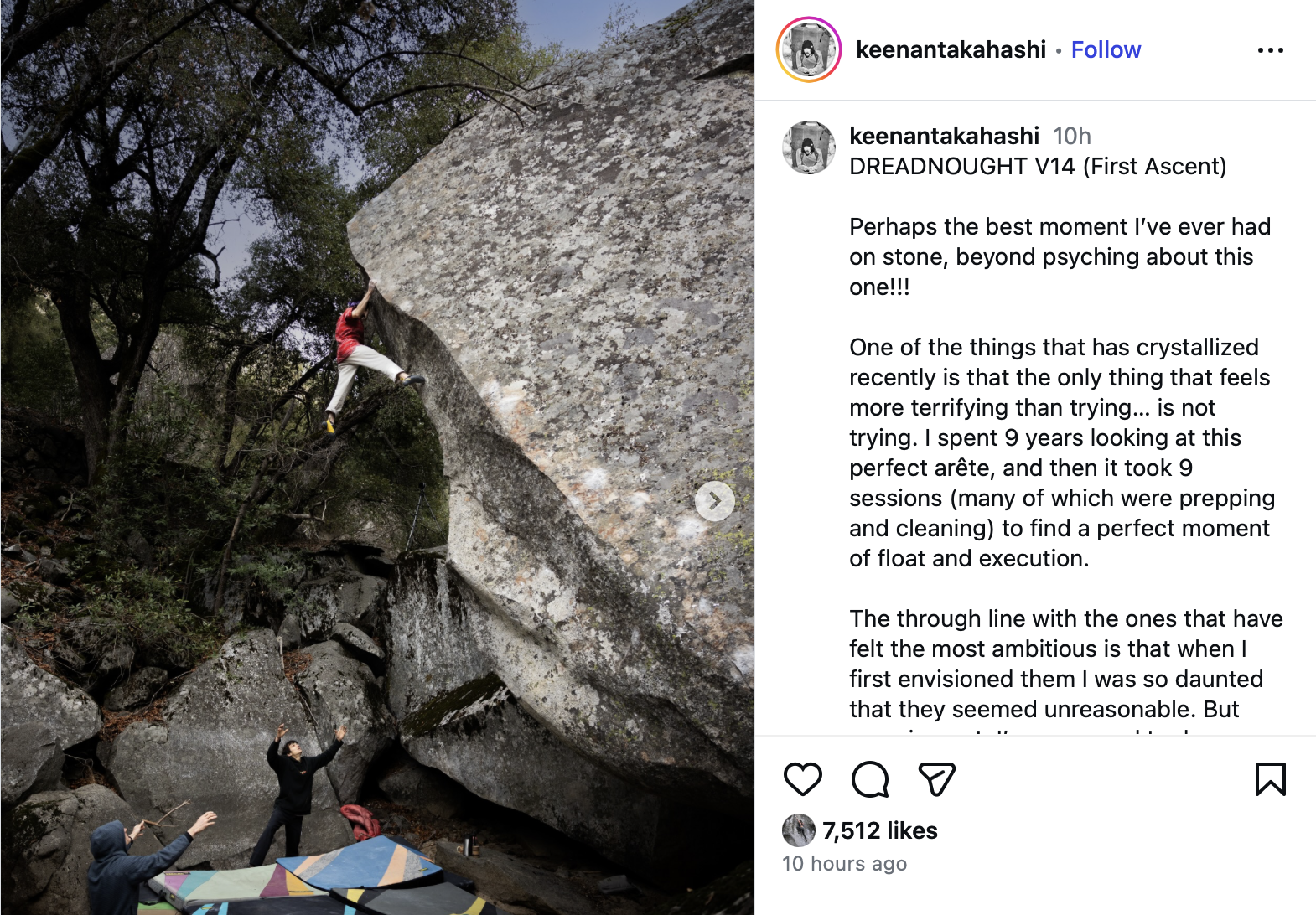
Keenan Takahashi posted on Instagram earlier today (Jan. 14) about putting up Dreadnought V14 (First Ascent), writing: “Perhaps the best moment I’ve ever had on stone, beyond psyching about this one!!!”
For this week’s founder’s note, Ken Yager writes about how climbing became his lifeline. And for this week’s feature, I talk with Lydia Bothwell, a Midpines local who has been part of my climbing group for the past few seasons. Lydia grew up in Mariposa, picked up climbing in 2019, and last February she did her first big wall: El Cap’s Salathé Wall.
Chris Van Leuven
Editor, YCA News Brief
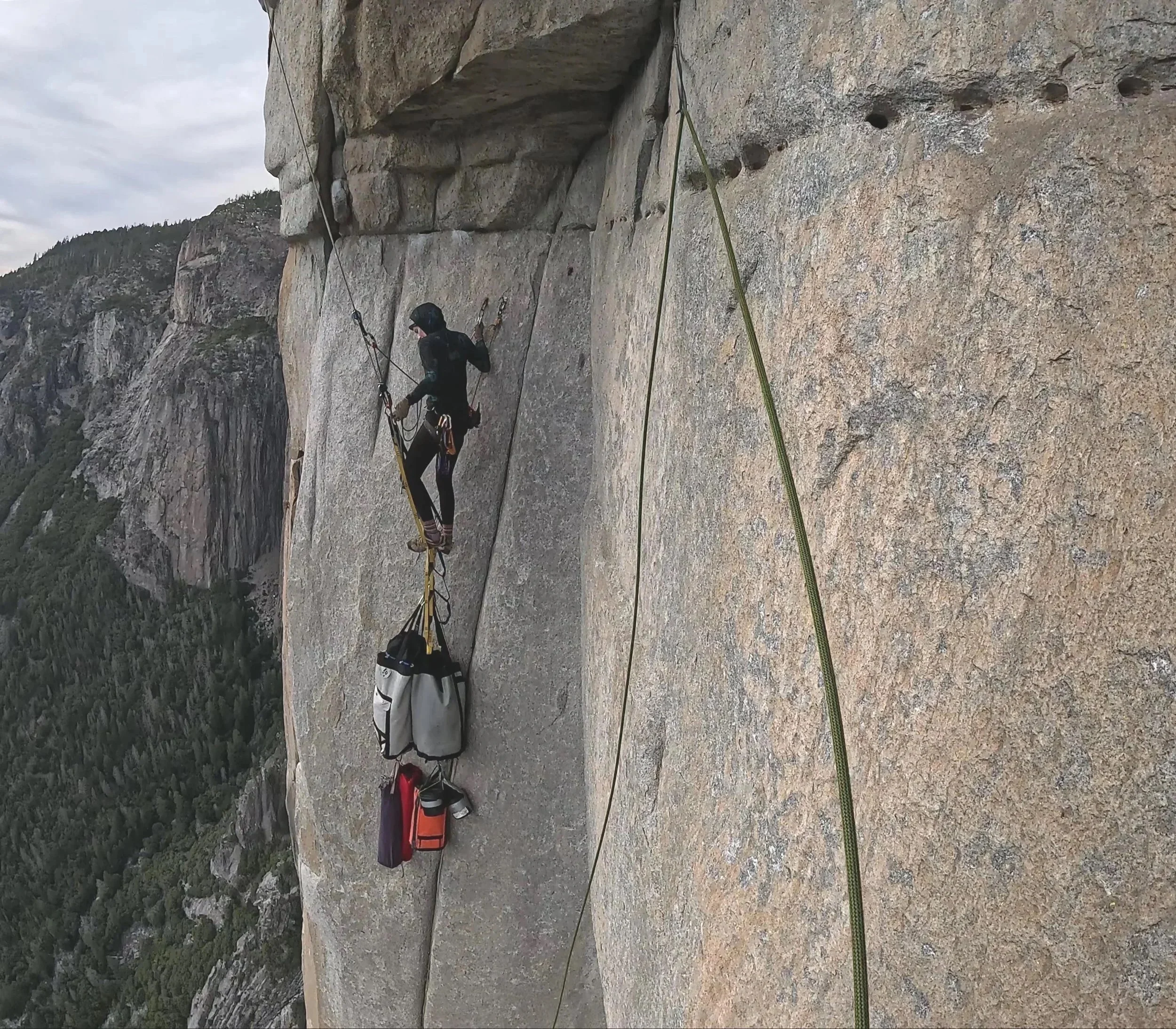
Bothwell lowering out with haul bags before Salathé headwall in February 2025. Photo: Unknown
From Mariposa to El Cap: Lydia Bothwell’s Path to Yosemite Climbing
Growing up in the Sierra foothills, Lydia Bothwell initially thought Yosemite climbing was only for “extreme athletes.” But after starting in 2019, recovering from a fall that broke her ankle, and finding mentorship through the Meetup Beta Breakers local climbing community, she completed her first big wall: El Cap’s Salathé Wall.
Growing up in Mariposa, Bothwell often visited Yosemite with her dad and siblings, but she didn’t consider climbing. That was something extreme people did—and she didn’t know any climbers, nor that safe top roping could be a good way to start. Her passions were hiking, exploring, and reading. “Growing up, I realized climbing was a big part of Yosemite culture, but I always saw that as something other people did. I didn’t really know there were ways to climb that weren’t so extreme,” she says. “At the time, I didn’t know anyone who climbed. I literally did not know a single climber.”
That changed in high school. In 2019, her sister, Nia, began hearing Yosemite stories from Ken Yager—through Nia’s friendship with his daughter, Ruby—and became excited to try climbing. The sisters planned a visit to MetalMark Climbing Fitness in Fresno. After that first visit, “We were both really stoked. We were like, ‘This is really fun,’” Lydia says. From there, they gradually started exploring Yosemite climbing in the simplest way possible—bouldering and top roping. “We started very, very slowly, trying to do stuff in Yosemite because this is our home area. We did some boulders in Curry Village, tried some around Tuolumne, and set up really simple top ropes on Swan Slab.”
Lydia describes those early days as beginning from nothing. “When I started climbing, I had no body awareness. I didn’t even know how to fall—or what risks are appropriate. I was starting at square one.”
In 2020, she tried her first lead at Swan Slab, on pitch two, and broke her ankle—an injury that required a cast, crutches, and time off. The setback made her question whether climbing was really for her. She describes herself as risk-averse, and even after her ankle healed, she took a break for a while.
“At that point, I was pretty sure I wasn’t cut out for Yosemite climbing,” she says. “I was like, ‘this is pretty hardcore and dangerous.’” Not long after, the pandemic hit, and she stopped visiting Yosemite for a bit.
“During the pandemic, I got bored and lonely. Yosemite had been shut down for a while, and I really wanted to get back out there doing fun stuff in the mountains.”
In 2021, she planned a solo snowshoe trip to Ostrander Lake—but her dad talked her out of going alone and encouraged her to join a group instead. She found Beta Breakers, a Bay Area climbing Meetup group that often trips to Yosemite, and that experience changed her relationship with the sport. “I thought, maybe I can learn how to do things the right way—so I’m not just figuring it out and risking injury,” she says. “I had zero climbing skills—zero confidence—and they took me under their wing. They taught me and let me tag along. It opened up the world to me: ‘Man, I can do this.’”
Now, instead of visiting Yosemite only for waterfalls and the oak shade around Camp 4, Bothwell is gaining her appreciation from the routes—developing a deeper connection to the place where she grew up nearby. These days, what she loves most is a full day of climbing—like the day we had last week at Five and Dime with her boyfriend, Nick Miranda—and still getting home by dark.
When she’s not climbing, she teaches at Mariposa High, and she and Nick also pan for gold.
Last winter, when her friends Max Crouch and Nick were planning to climb El Capitan via the Salathé Wall, they invited her to join. Lydia had no big-wall experience—she didn’t know how to ascend ropes, use a portaledge, or lower out bags—but they helped her figure it out on the fly. For five days, they worked their way up the wall, and in the quiet of February, they saw only one other team on El Cap.
She loved the solitude and what the wall demanded of her. “Learning the systems and jugging was trial by fire—every day I felt like I reached my edge, and the next day I’d wake up, and somehow there was a little more to give,” she says.
Looking ahead to 2026, Lydia aims to climb more big walls—this time taking a more active role. She is focusing on the South Face of Washington Column and, if everything falls into place, the Nose.
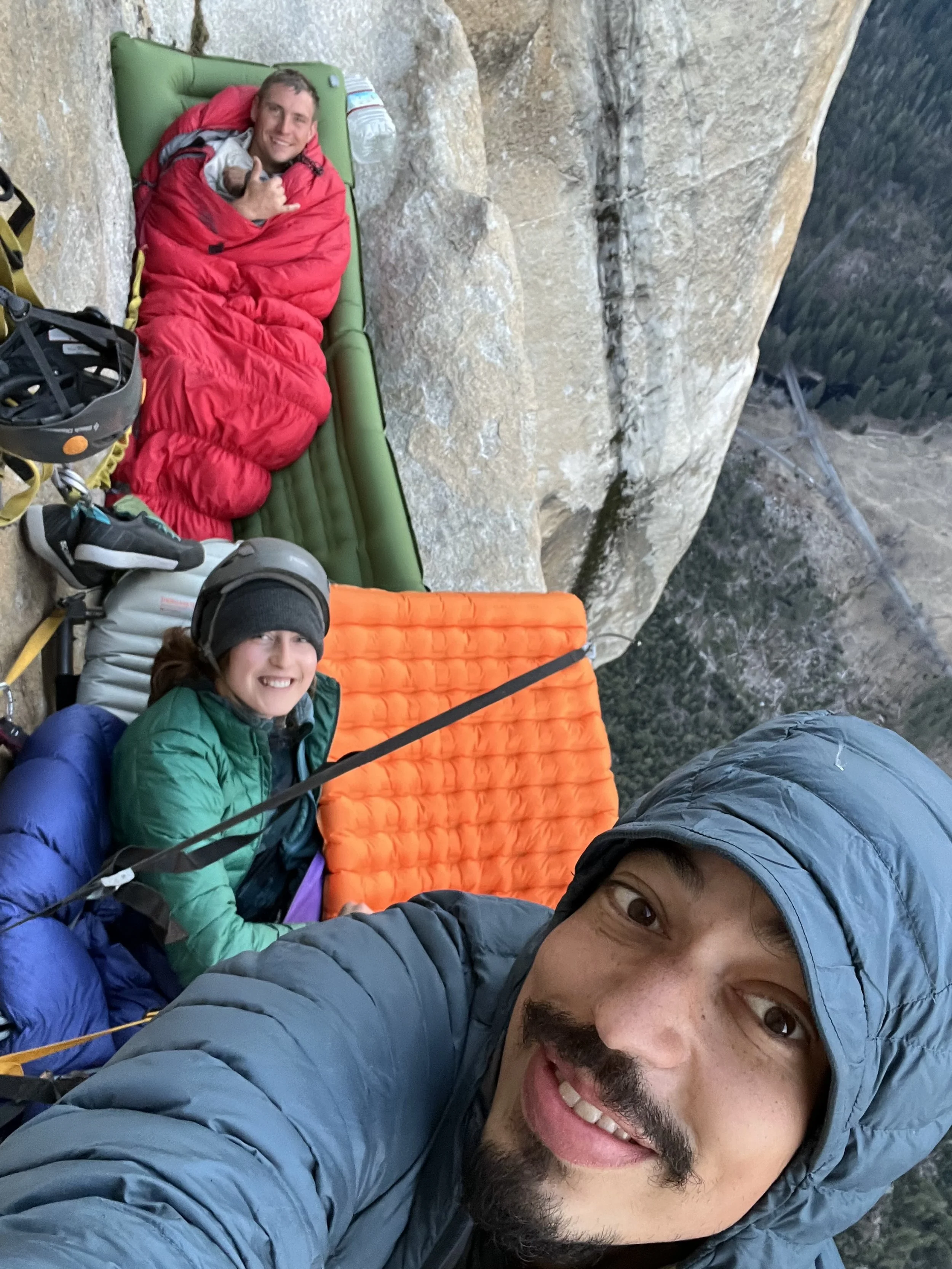
Bothwell on the Long Ledge of the Salathé Wall with Nick Miranda and Max Crouch. Photo: Nick Miranda
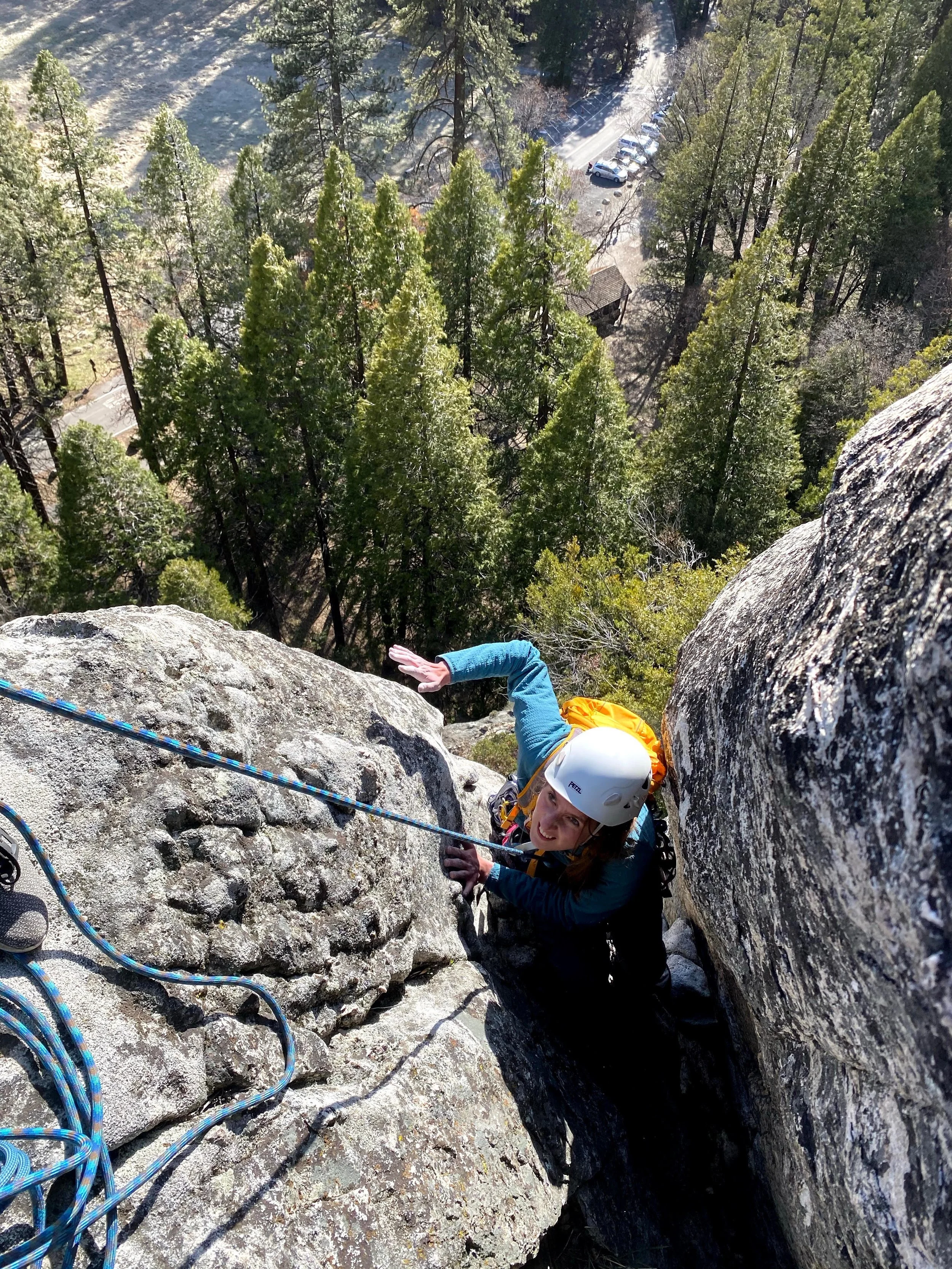
Bothwell on Aunt Fanny’s Pantry in March 2021. Photo: Sander
The YCA STORE got a FACELIFT!
(oh yeah, pun intended)
Be sure to check out some exciting new updates below! As a friendly reminder, YCA members receive exclusive member-only discounts in the shop! Grab your new favorite sweatshirt, book, poster, and accessories in the YCA Store.
Your purchase supports the Yosemite Climbing Association's museum, archives, stewardship programs, and the annual Yosemite Facelift.
Why Climbing Is Important to Me
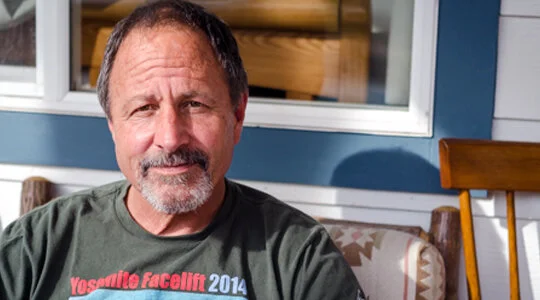
Founder’s Log | By Ken Yager
When I was born, both of my parents were students at UC Berkeley. In 1961, my brother Max was born, which caused my mom, Su, to drop out to take care of us, while my dad, Phil, enrolled in graduate school in the Physics Department at the University of California, San Diego. She finished her degree at UC Davis about 15 years later.
The 1960s were a politically turbulent era. I thought I would be drafted at 18 and sent to Vietnam. It weighed heavily on me during my youth. I couldn’t see myself shooting and killing anyone. What if I got married, became a student, and still got drafted? Should I move to Canada? These thoughts and worries stayed with me into the 1970s. I wasn't alone. It was part of growing up during that time.
In 1971, I climbed for the first time, and I loved it. I felt like I had found my place. Climbing gave me a focus and something else to think about besides the war. It kept me out of trouble and helped me stay mentally healthy. I was lucky. Many of my classmates were not so fortunate. Some went on to commit suicide, others started lives of crime and ended up in prison, and many became drug addicts.
We moved to Davis in 1968, and a few years later, our parents divorced. Max and I stayed with our father, Phil, who was now a physics professor. Phil enjoyed taking Max and me on weekend drives to explore the outdoors. We went camping and hiking. My father supported my climbing.
I read every climbing book in both libraries. By the age of 13, I had a good understanding of the sport's history. I had heard about Yosemite, knew the names of the pioneers, and the climbs they completed. Later that year, I visited Yosemite for the first time and went climbing. It was love at first sight.
I had my dad stop the car at El Cap Meadow on the way out. I ran up to the base and touched the rock, looking up. I felt an electric energy through my hands. I vowed right then to climb it before I went to Vietnam. Luckily for me, the draft was winding down and ended well before I came of age.
Climbing continued to be an important escape for me. Being outdoors cleared my mind. The wilderness was breathtaking—rock formations, trees, flowers, animals, scenic views, and wonderful scents! I fell in love with nature and climbing. The mountains felt like home.
I started learning how to aid climb and set up haul systems. Mostly, I learned from Royal’s books, which were very good and explained things clearly. Weekends were spent climbing at the Leap and Sugarloaf along Highway 50. When I had more than a weekend free, it was climbing trips to Yosemite. I slowly worked my way up the grades.
My entire focus was on becoming skilled enough to climb El Capitan. We began by doing Grade IIIs and Grade IVs. I climbed Lower Brother, Royal Arches, and the Harding route on the Apron. We attempted several Grade Vs but never managed to complete any of them. I spent as much time retreating as I did climbing. These setbacks taught me that climbing a wall wouldn't be easy and that some suffering was part of the process. Each attempt strengthened my resolve to improve.
I moved to Camp 4 in December of 1976 and jumped on the Nose with Mike Corbett on nearly the shortest day of the year. Once again, I backed off a wall. We nearly died because of a short rope, but we learned a lot. Later that year, I finally climbed El Cap 4 times, and 3 other Grade Vs—realizing my 13-year-old dream.
I have lived in the Yosemite area ever since. I have now climbed for 55 years, and I still love it.
Where does the time go?
I have been asked why I donate most of my spare time and money to building a museum and to start a massive trash cleanup called the Yosemite Facelift. There are several reasons.
When John Salathé died, I met his climbing partners to interview them. They had heard Mike Corbett and I had put our gear together as a modest exhibit to show the evolution of the equipment. With each interview, these pioneer climbers cleared out their closets and gave us their gear, letters, and photos. When handing them to me, I kept asking, “Are you sure?” They nodded and smiled as they handed it over.
These were the same people I had read about in all the climbing publications. They were my heroes, and I had the chance to meet them and become friends. They entrusted me with the early history of Yosemite climbing. By happenstance, I became its keeper. I don’t want to let them down and hope I never do.
Climbing taught me a lot. I learned to trust myself and others. I also realize that the outdoors is closely connected to the health of the planet. I discovered that if you stick with something long enough, you can achieve it. I have learned patience. I still enjoy it just as much today.
Those early years in Yosemite were formative for me. It is my obligation to give back to Yosemite and climbing. It gave me a focus that got me through difficult times. If someone has a talent or an opportunity to give back for others’ enjoyment, it is their duty to share, as a musician, artist, or writer would. I had no museum experience, but somehow I ended up as the keeper of much of Yosemite climbing history. What I lack in experience, I make up for in passion.
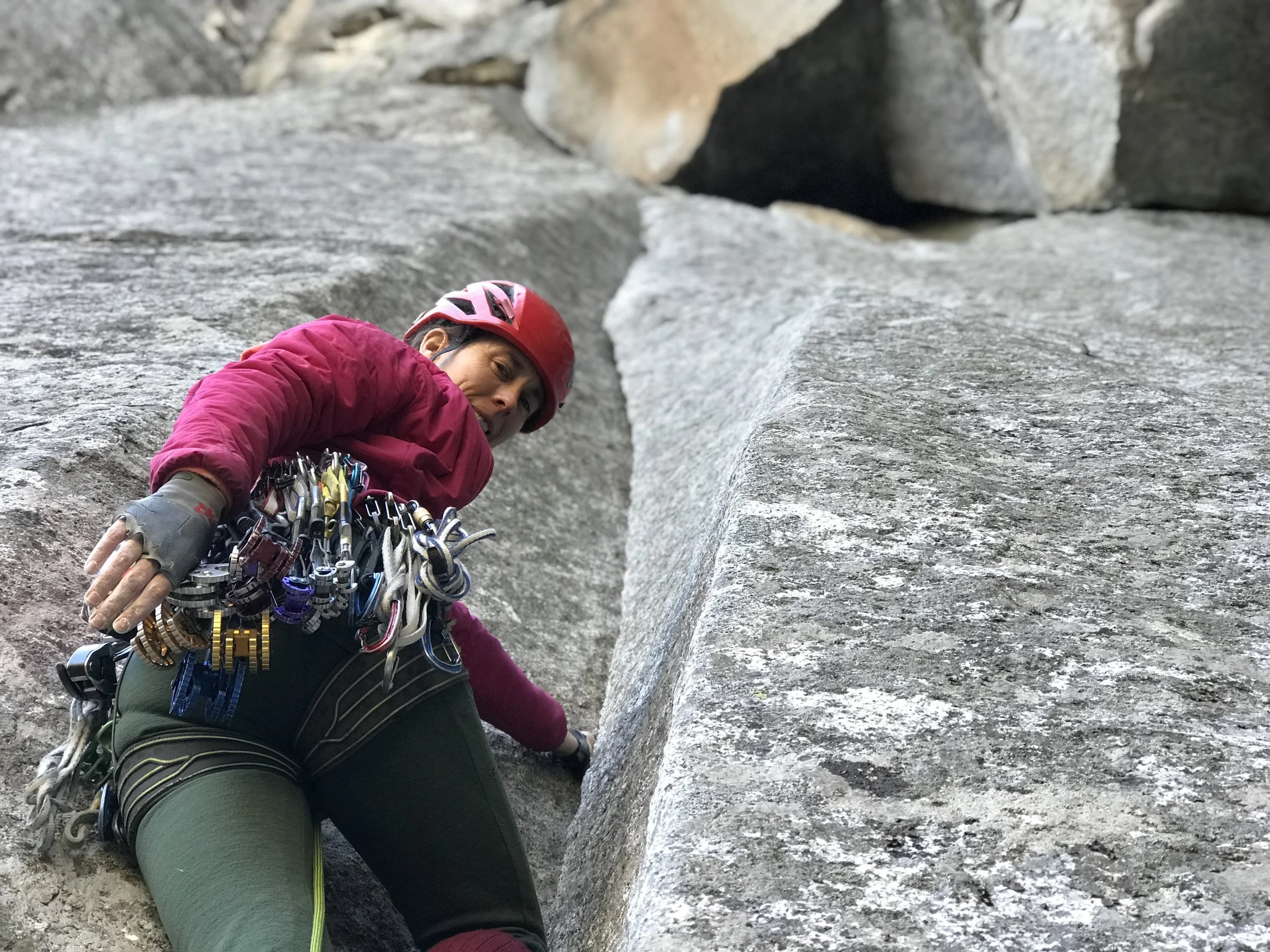
PHOTO OF
THE WEEK
Eliza Kerr on the N. Face of the Rostrum. Photo: Chris Van Leuven

Stay up to date on the latest climbing closures in effect!
Get your permits, do your research, and hit the wall!
Visit the Yosemite Climbing Museum!
The Yosemite Climbing Museum chronicles the evolution of modern day rock climbing from 1869 to the present.
The YCA News Brief is made possible by a generous grant, provided by Sundari Krishnamurthy and her husband, Jerry Gallwas