
EDITION 35 - NOVEMBER 25, 2025

Your window into the stories, history, and ongoing work to preserve Yosemite’s climbing legacy.
A Note from the Editor
Well, the weather has finally cleared in Yosemite. The rock is drying out, and it looks like mostly clear skies for the next week or so.
In climbing news, Sasha DiGiulian is still on El Cap and continues to make progress. She wrote on Instagram:
Sending the less than ideal conditions 5.13 pitch 33; PLATINUM! Sun is out and I’m here to keep charging … wall is wet but I’m really proud of this send despite the wetness⚡️!
And a week ago, Yuji Hirayama posted that he freed the 7th pitch of Lurking Fear on El Cap and, after 22 years, finally freed all pitches.
Yesterday, Kyle Higby wrote on Instagram about climbing Wet Lycra Nightmare (5.13d) on Leaning Tower.
Three days ago, Amity Warme wrote about this El Cap route, which she climbed with Brent Barghahn (though he did not free every pitch).
The PreMuir (5.13c/d, 33 pitches)! 💥 Woah. Big big fight for this one.
It’s been two years since I last climbed on El Cap and I came into the season feeling eager for the next big challenge. Well, it turned out to be an even bigger challenge than I anticipated! Several factors contributed to making this one of the hardest things I have done in my climbing career… (see more in the feature below)
We reached out to Amity to learn more about their experience on the route.
Here is some background I wrote on Amity:
Big News On El Cap: First New Route in Years, and a Fast Free Golden Gate Ascent (Link goes to Amity’s website)
Amity Warme Climbing Yosemite 5.13d Trad
And watch this incredible video of her on Book of Hate
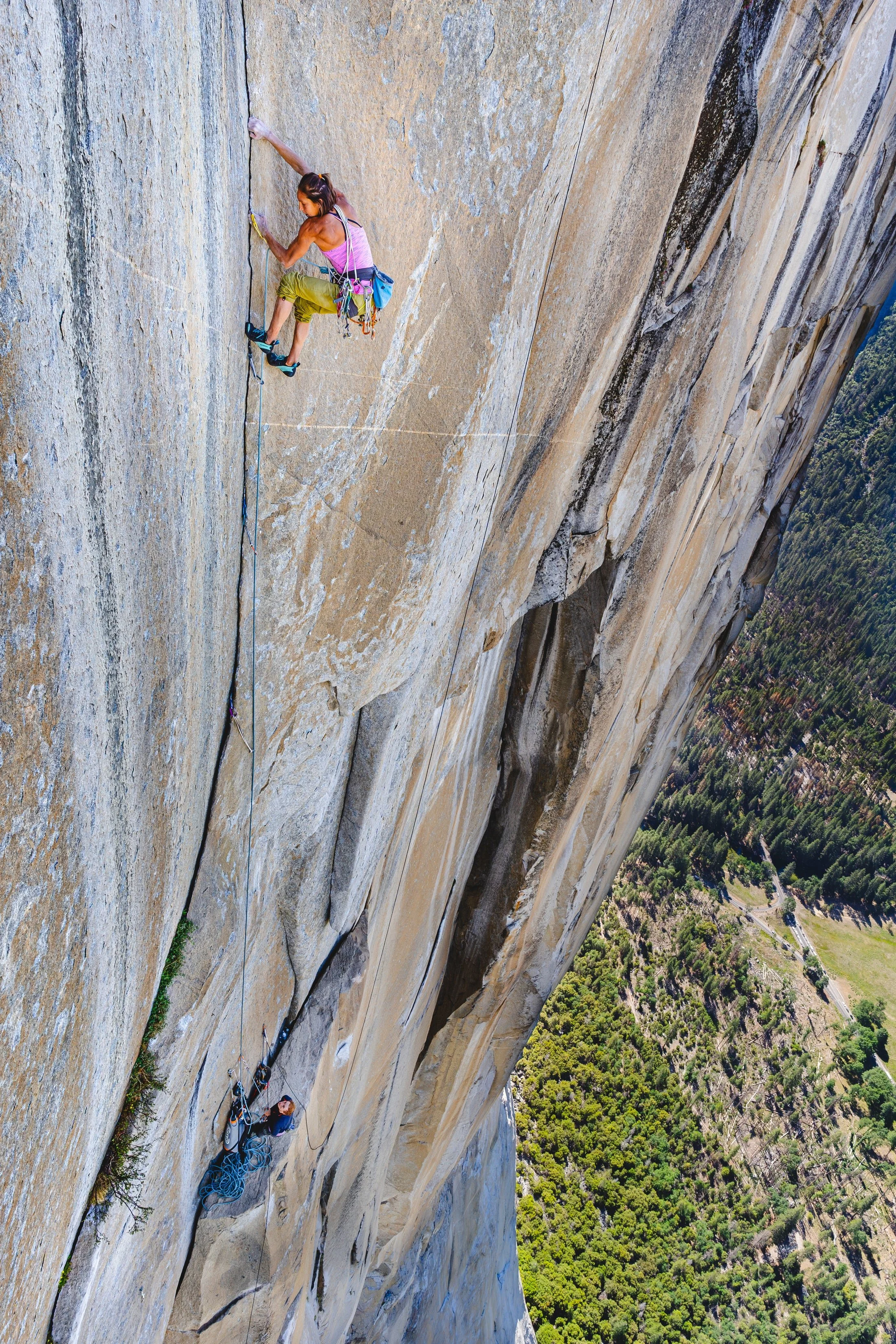
For visitors to the Yosemite Climbing Museum in Mariposa, the first image they see on the wall is Warme, belayed by Tyler Karow, on El Cap’s Golden Gate.
YCA News
Speaking of YCA, Tyler Karow recently joined the YCA board. Board secretary Alison Waliszewski wrote in an email:
We're excited to share that Tyler Karrow has officially joined the YCA Board!
Many of you already know Tyler from the Yosemite climbing community, and he needs no introduction! Tyler is a highly accomplished big-wall climber and serves as a climbing ambassador for both Patagonia and La Sportiva. He brings deep experience in climbing stewardship, community building, and nonprofit expertise. He also serves on the Farm to Cragg board as Treasurer.
I met Tyler at the Yosemite Boulder Farm in Mariposa several years ago. Here are some stories I wrote about his ascents:
These Guys Took 45-Foot Whips On Their Way To a New El Cap Speed Record
Big News On El Cap: First New Route in Years, and a Fast Free Golden Gate Ascent (Link goes to Climbing Magazine)
Read the feature on Amity Warme below:
Chris Van Leuven
Editor, YCA News Brief
Amity Warme Frees El Cap’s PreMuir
A 12-day battle with heat, sun, and six 5.13 pitches marks the hardest El Cap free climb of her career
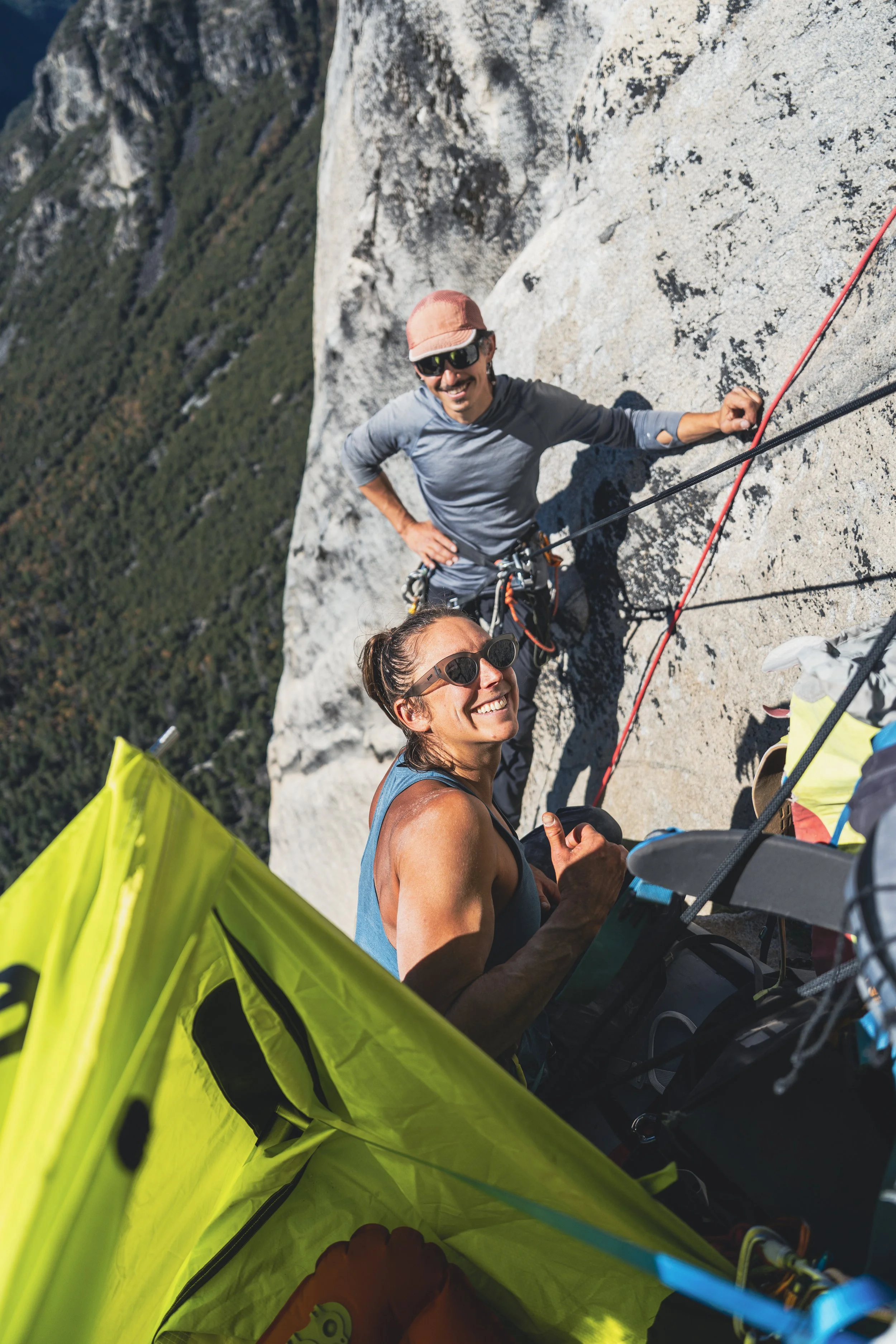
“Yosemite just feels like a neat place to keep coming back to—to test my progression and measure myself against the standards and history there,” Amity Warme tells me from Loveland, Colorado, where she’s visiting her parents for Thanksgiving week.
Her Hardest Free Climb Yet
I called to learn more about her ascent of the PreMuir, the most challenging El Cap route she’s climbed to date—one with a final hard pitch rated 5.13c/d and stacked with other cruxes. In total, it has six 5.13 pitches.
This marks Warme’s fifth free climb on El Cap. After not sending the iconic 5.13c stemming pitch high on the route, her climbing partner, Brent Barghahn, “went into full support mode so I could keep going,” she says.
When I asked her if she continues to climb El Cap free because it’s the gold standard in big wall climbing, she replied, “I think that’s one reason, yeah. It just feels like a neat place to continue coming back to and kind of testing my progression… continuing to test myself against the standards of El Cap and the history and everything there.”
Battling Heat, Sun, and Timing
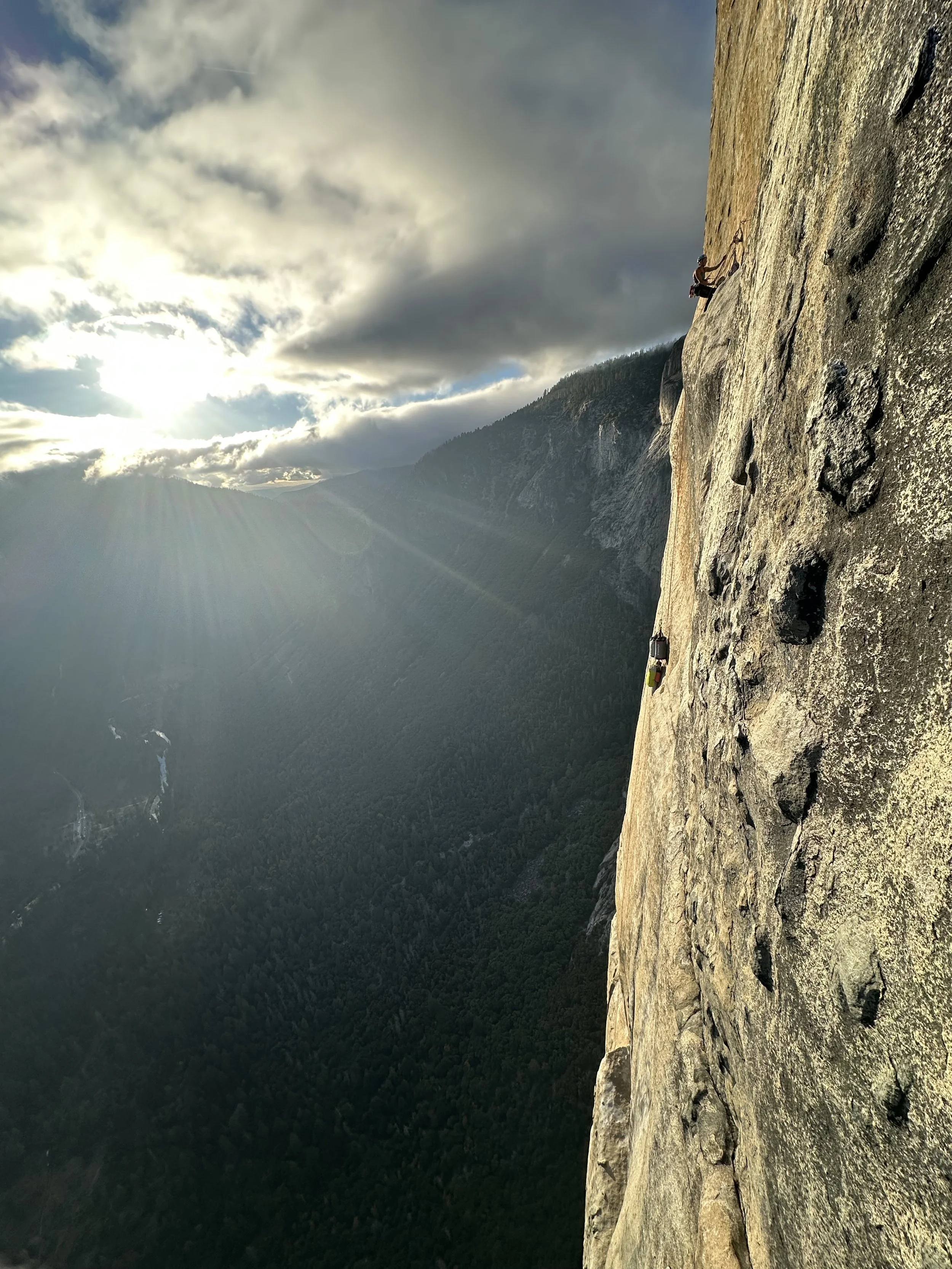
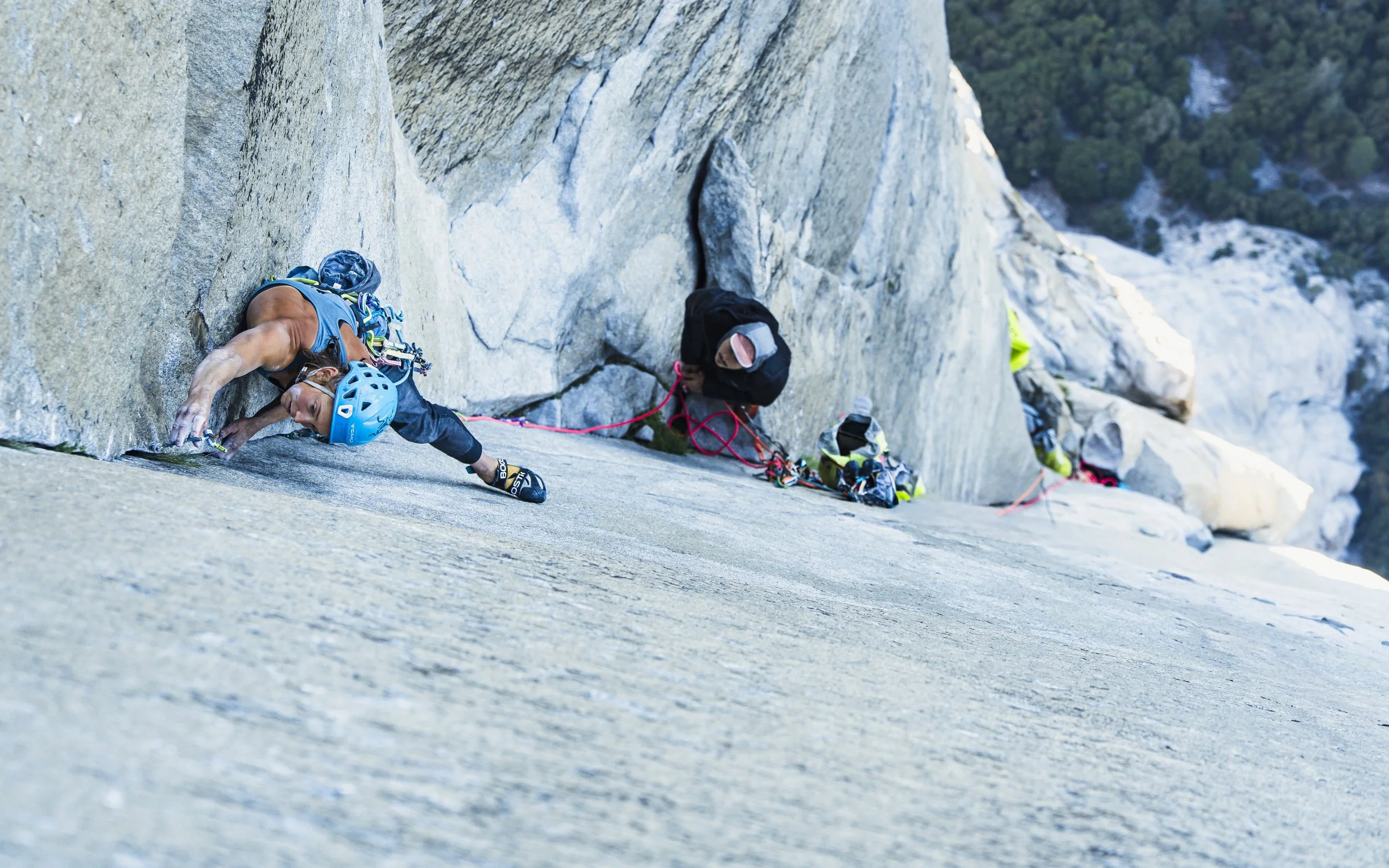
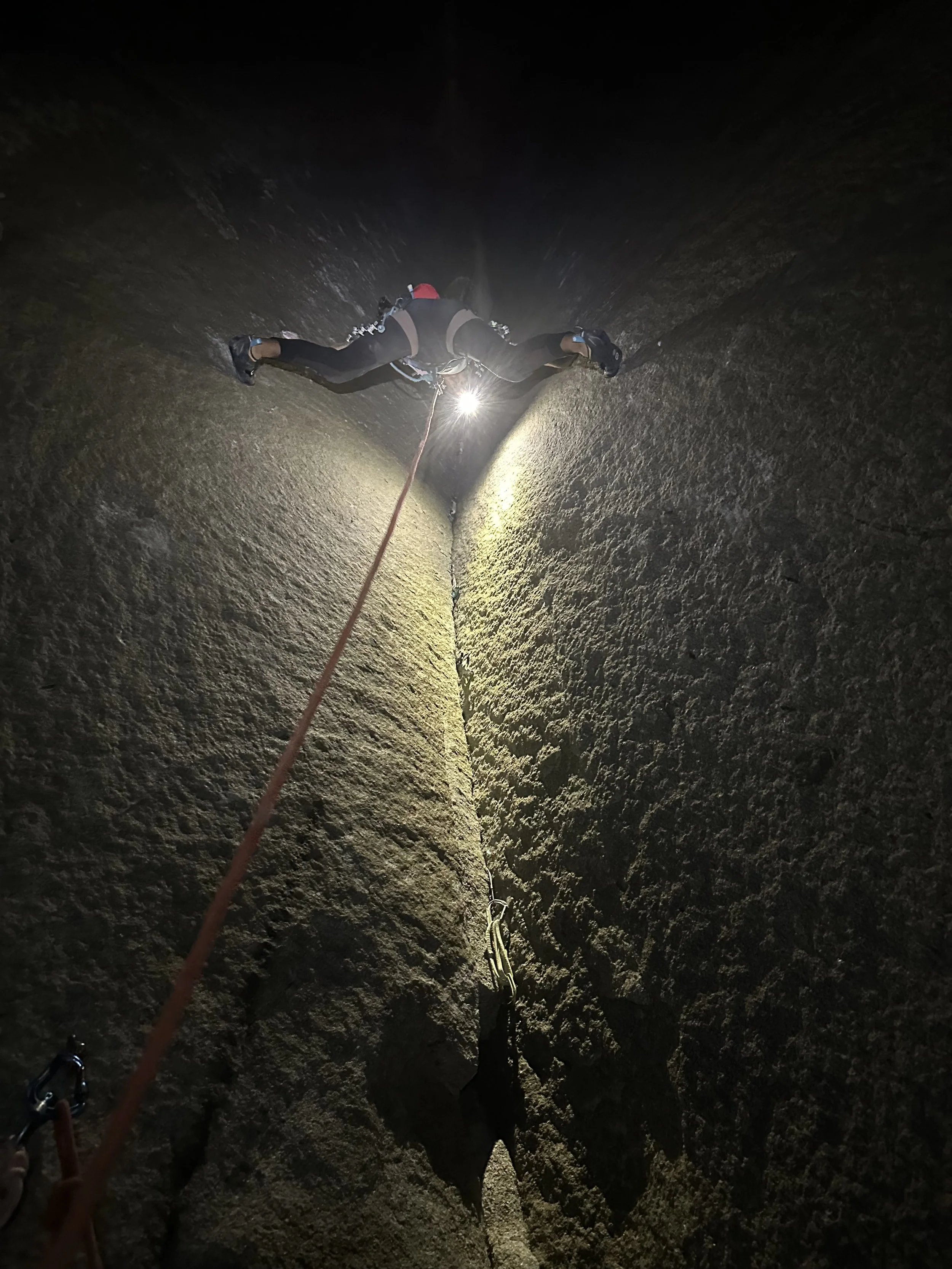
The difficulty of the climbing and the warm conditions increased the challenge, where demanding terrain would shred their fingertips and wear out their toes, and then they’d have the mental challenge of waiting for the route to cool off and get in condition. They would climb at first light while the rock was still cool, rest all day when it went into the sun, then start again at dark and climb by headlamp. That’s why the route required 12 days.
She highlighted a few sections of the climb on Instagram:
I did use some preplaced gear in the stem corner and the final 13c. And finally, I took the no-hands stance in the stem pitch as my first time ever ‘stancing’ a pitch because I did not have time to retry the entire thing while trying to work around both the sun/heat situation and an upcoming storm day.
The team started on Oct. 30, and she finished the free climb on Nov. 10.
The No-Hands Stance
I asked her about “stancing” on the route.
“Oh, I didn’t love it, but it felt necessary and justified. If it had been engineered for free climbing, there would have been a belay there. I obviously want to do it as perfectly as I can… but with trying to time it so both of us could attempt the pitch, sun, shade, storms, and all of that—it was one of those times you just gotta do the best you can. It felt necessary in the moment. Our camp was at the base of that pitch, and it was fully hanging. In the middle of the pitch, there’s a full no-hands stance, so that’s where I took it.”
Twelve Days on the Wall
Throughout our conversation, Amity stressed the support she received, both on the wall and from El Cap Meadow.
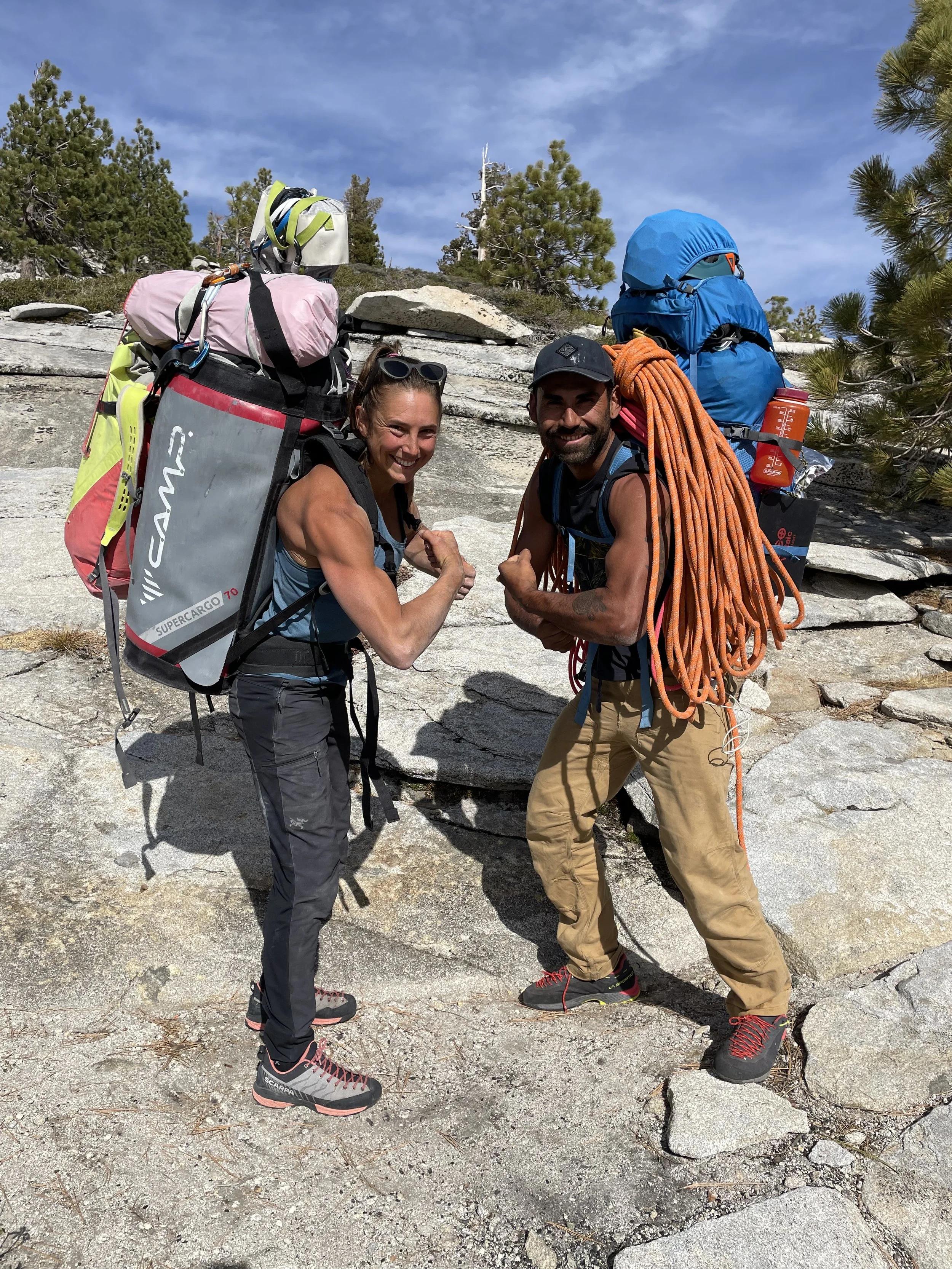
“It ended up taking me longer than I anticipated, and Brent had to leave. So I had a couple of friends who hiked up and stayed with me for a couple of extra days so I could finish.
“Just a big shout-out to community support and encouragement… that’s my biggest takeaway.”
Amity Warme’s Support Team
Primary Partner
Brent Barghahn (@avant_climbing_innovations)
Final-Push Support (hiked up to help her finish)
Felipe Nordenflyct (@felipesh)
Nelson Klein (@_nelsonklein)
Encouragement & Moral Support
Julia Enns (@julia.enns)
Rachel Bal (@rach_bal)
Nicole Giampietro (@nicole.giampietro)
Victoria Kohner Flanagan (@victoriakohnerflanagan)
Previous El Cap Ascents and List of Those Who’ve Climbed PreMuir
Before the PreMuir, Warme climbed Golden Gate (5.13a/b) with Tyler Karow; El Niño via the Pineapple Express variation (5.13c) with Brent Barghahn; Freerider (5.13a) in a day with Barghahn; and El Corazón (5.13b) with Will Sharp.
List of people who have previously freed the route:
First ascent team (2007)
Justen Sjong
Rob Miller
Early repeats (2012–2016)
Hazel Findlay
James McHaffie
Neil Dyer
Sam Elias
Mike Kerzhner
Alex Honnold
Robbie Phillips
Later repeats (2019–2025)
Babsi Zangerl
Connor Herson
Camilla Moroni
Pietro Vidi
Amity Warme
What’s Next
Regarding what’s next, Amity says she has an upcoming trip with the Arc’teryx team and intends to spend time sport climbing and training: she’s been “standing on Yosemite slabs for a while—now I’m just getting some gym sessions in again.”
As for PreMuir, she added that she and Brent swapped leads and fixed and followed on the easier terrain, but belayed each other on traverses and crux pitches.
And for what made it difficult beyond the physicality: All day sun on the wall that heated the rock, “made it really hard to get good quality attempts… that was a big mental struggle for both Brent and me.”
The Stoveleg Piton
Founder’s Log | By Ken Yager
Stoveleg pitons are quite possibly the most famous pitons in the world. Or maybe infamous. Here’s what I know about them.
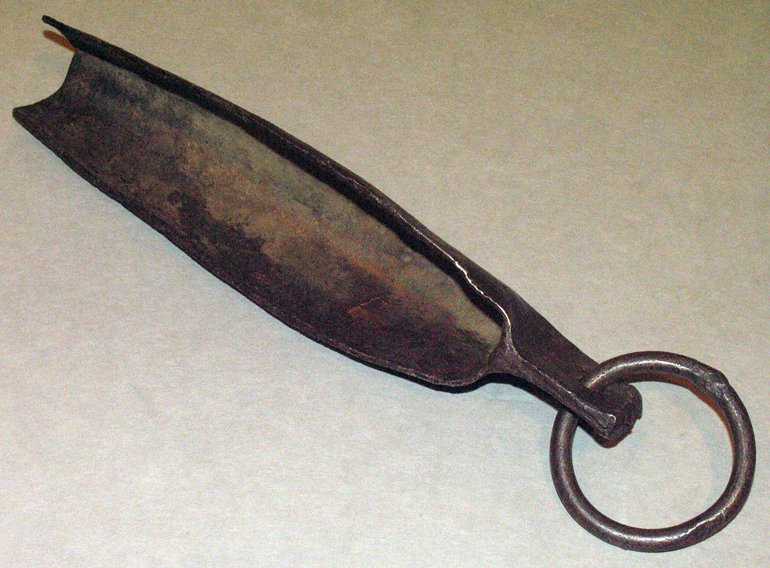
A Stoveleg piton was literally made from the leg of a woodstove. The tapered legs were angled steel, and when sawed off, the angled ends at the top were hammered together and welded. This produced a large, durable angle piton—far bigger than ring angles available at the time. For strength, they didn’t drill a standard carabiner hole. Instead, they drilled a small ¼” hole and added a metal ring.
Only seven Stovelegs were ever made.
The first four were built by Frank Tarver sometime in the mid-1950s. For the early Yosemite climbers, they were a prized addition and the only large pitons available at the time.
They worked so well that Rich Calderwood tried to make more. He went to a pawn shop intending to buy a woodstove to desiccate. After he told the shop owner what he planned to do, the owner refused to sell him a good stove—so Rich ended up having to buy a three-legged one.
The Stovelegs on the Nose
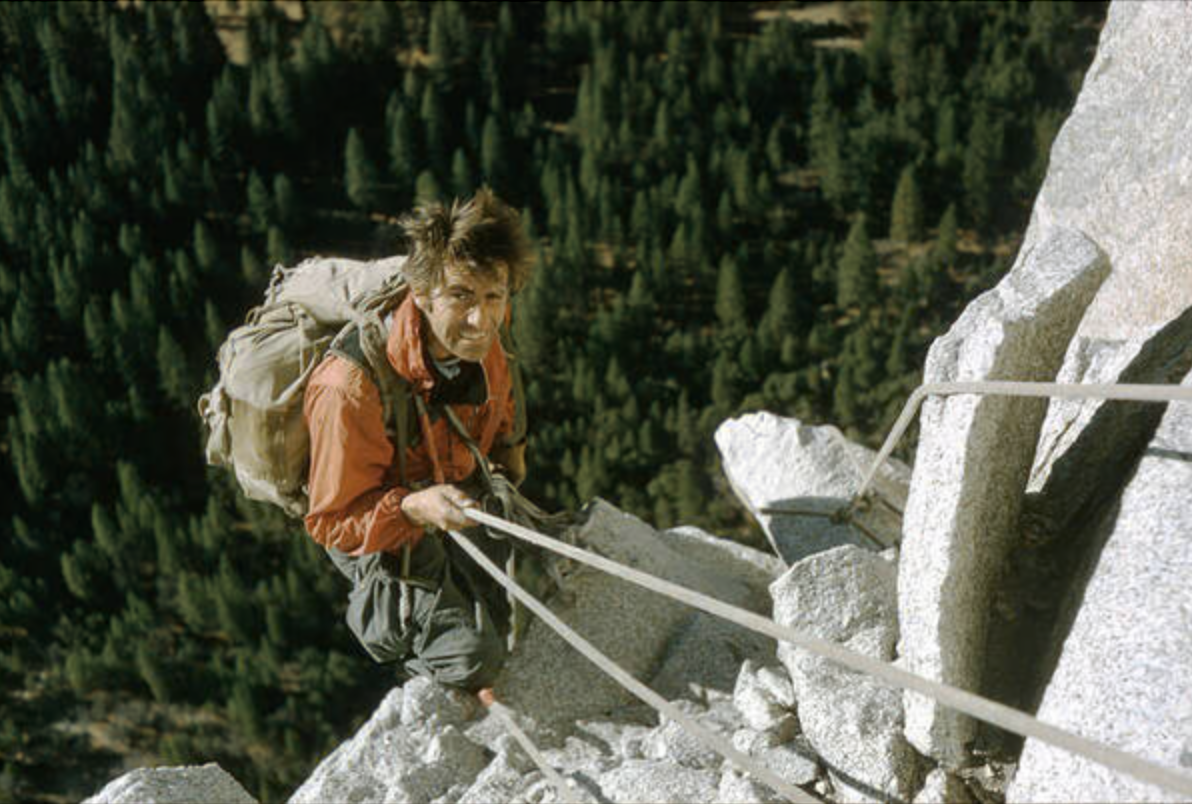
In 1957, Warren Harding, Bill “Dolt” Feuerer, and Mark Powell began their first attempt on The Nose of El Capitan. They spent over a week getting about a third of the way up. Powell, the strongest free climber of the group, led the upper section from the Dolt Hole to Dolt Tower. The Stoveleg pitons were essential for protecting that long, clean crack system.
To this day, the feature is known as the Stoveleg Cracks or simply the Stovelegs.
After that early push, Harding’s team was barred from climbing on El Cap during the busy summer months—their attempts were drawing huge crowds, cars were blocking the road, and it became a logistical nightmare for the Park Service. Before their autumn attempt, Rich Calderwood offered to go retrieve their piton rack, which they had cached at the high point of their earlier effort on the East Face of Washington Column.
Rich prusiked up the ropes only to find an empty sling: rats had chewed through it. He rappelled down and searched the base until he found the missing pitons scattered in the dirt—including the coveted Stovelegs.
The YCA’s Stoveleg Pitons
The Yosemite Climbing Association now has three of the original Stoveleg pitons. They’re on display at the Yosemite Climbing Museum in Mariposa. Come see them!
1. Blaine Neely’s Stoveleg
The first one we acquired was donated by Blaine Neely. Warren Harding had given it to him during a big night of drinking at a bar in Oakhurst.
2. Tom Rohrer’s Stoveleg
The second was donated by Tom Rohrer, “the Mad Bolter.” Harding had dropped one on The Good Book (Right Side of the Folly). It had fallen deep into a crack. Tom went up, found it, and managed—after a lot of work—to fish it out with a long piece of wire.
3. Frank Tarver’s Stoveleg
The third was donated by Frank Tarver himself—the man who made the original pieces that inspired all of this.
If you love Yosemite climbing history or appreciate the work of the Yosemite Facelift, we could use your help. If you’re able, please consider an end-of-year donation to the YCA. We are a 501(c)(3).
Thank you.
Ken
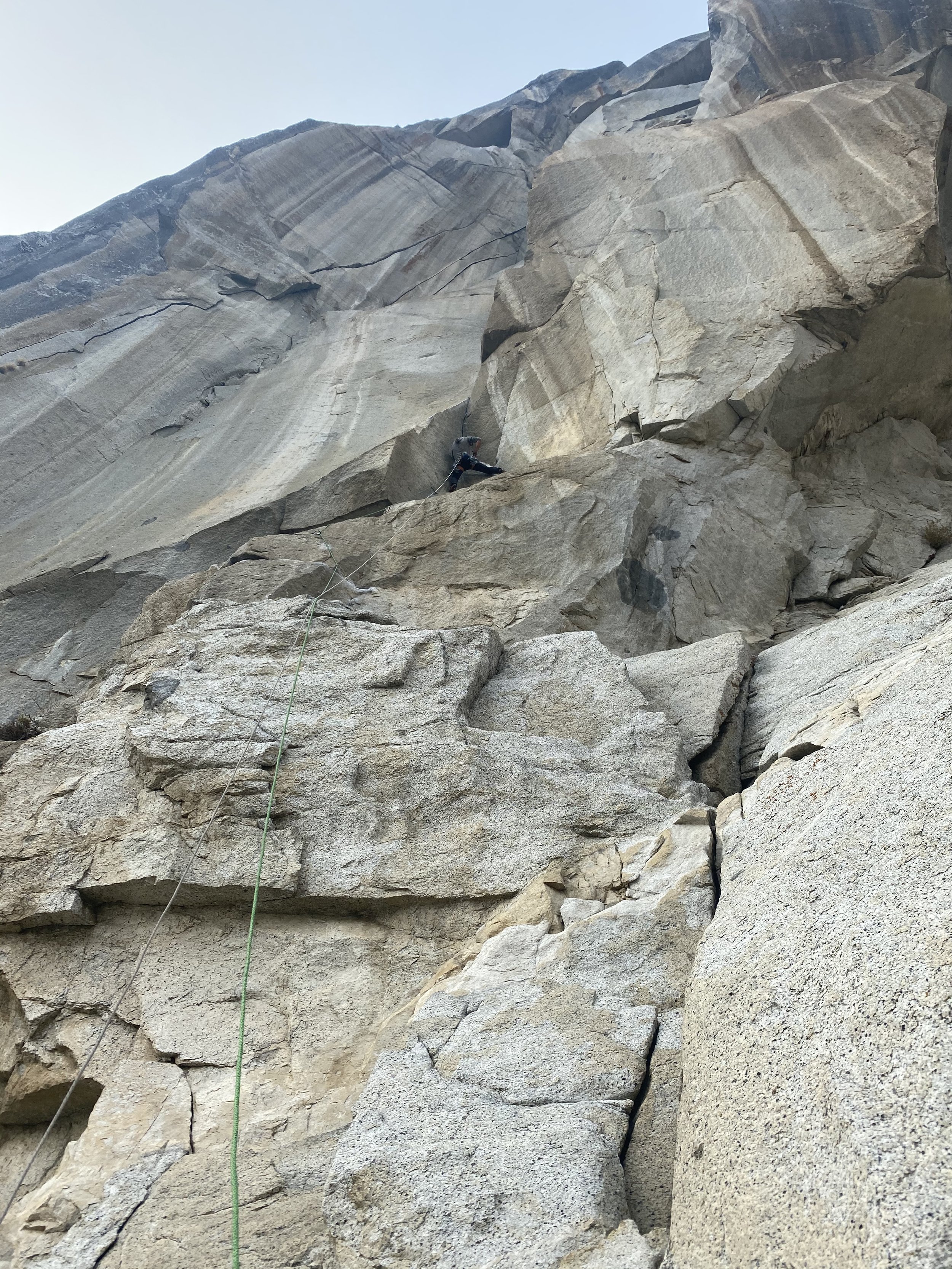
PHOTO OF
THE WEEK
Matt Cornell high on Astroman, Washington Column. Photo: Chris Van Leuven

Stay up to date on the latest climbing closures in effect!
Get your permits, do your research, and hit the wall!
Visit the Yosemite Climbing Museum!
The Yosemite Climbing Museum chronicles the evolution of modern day rock climbing from 1869 to the present.
The YCA News Brief is made possible by a generous grant, provided by Sundari Krishnamurthy and her husband, Jerry Gallwas