
EDITION 53 - APRIL 28, 2026

Your window into the stories, history, and ongoing work to preserve Yosemite’s climbing legacy.
Exciting News!
We are pleased to welcome and introduce our newest YCA News Brief Editor, Miles Fullman! Miles is a talented writer and climbing ranger in Yosemite, whom comes highly referred by his predecessor, Chris Van Leuven. Chris will still be contributing to the news brief from time to time while he steps away to focus on the growth of his booming Yosemite e-bike tour business. We’re so excited for the future of this newsletter and hope to create a dynamic and engaging weekly drop in your inbox, with guest writers and up-to-date park knowledge from Yosemite experts! We are so glad to have you here with us.
Hear from Miles below and read on to learn more about our exciting Yosemite Film Festival Kickstarter campaign. Ken Yager’s founder’s log is back! See below.
Climb on,
YCA News Brief Team
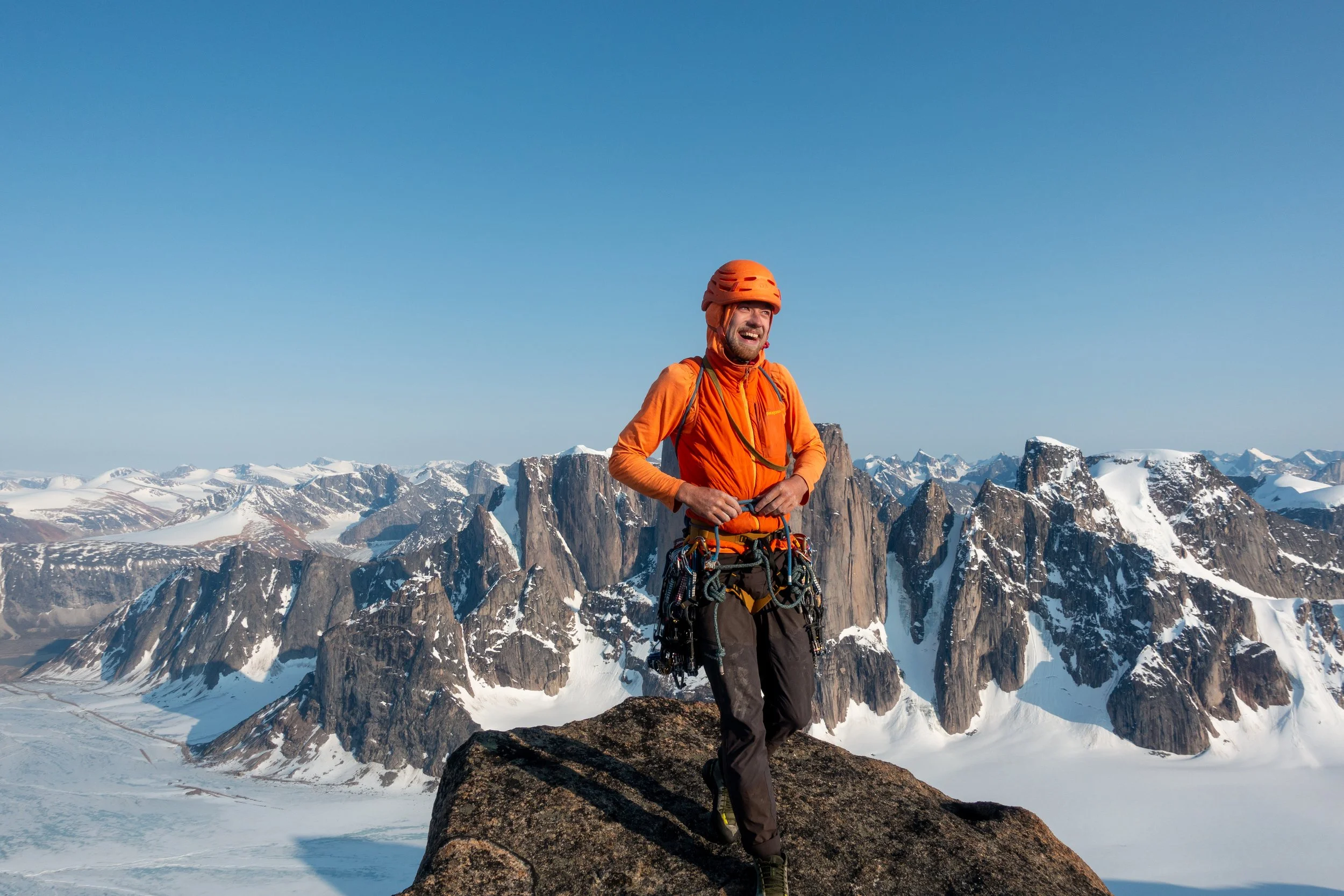
Miles Fullman on the summit of Mt. Loki in Auyuittuq National Park, Baffin Island, Nunavut. Photo: Samuel Stuckey
A Note from the Editor
Hello YCA community,
My name is Miles Fullman, and I am excited to be continuing the YCA News Brief as its new writer and editor.
I have been climbing in Yosemite since 2015, and living and working seasonally in the valley since 2018. I volunteered as a climbing steward for two summers before joining the search and rescue team, living on-site behind Camp 4 until becoming a climbing ranger in 2025.
Yosemite feels like home, and many of the most formative moments of my life have played out on its soaring granite walls. So many of those first forays stick out to me as clearly as if I were living them for the first time again: my friend and I almost getting stuck in a thunderstorm on Half Dome while climbing Snake Dike as our first route, missing prom when a storm slowed us down while climbing El Capitan for the first time, El Cap meadow becoming a great palimpsest of summer memories as season after season layered over each other. This place has shaped who I am today and I continue to be inspired by the deep history and rich culture of Yosemite rock climbing.
In the last few years I’ve spent an increasing amount of time learning how to share experiences through writing and photography. I firmly believe that telling stories is important, and I hope to continue this newsletter to hold space for sharing and preserving Yosemite’s spirit and spreading love for everything that it represents.
Miles Fullman
Editor, YCA News Brief
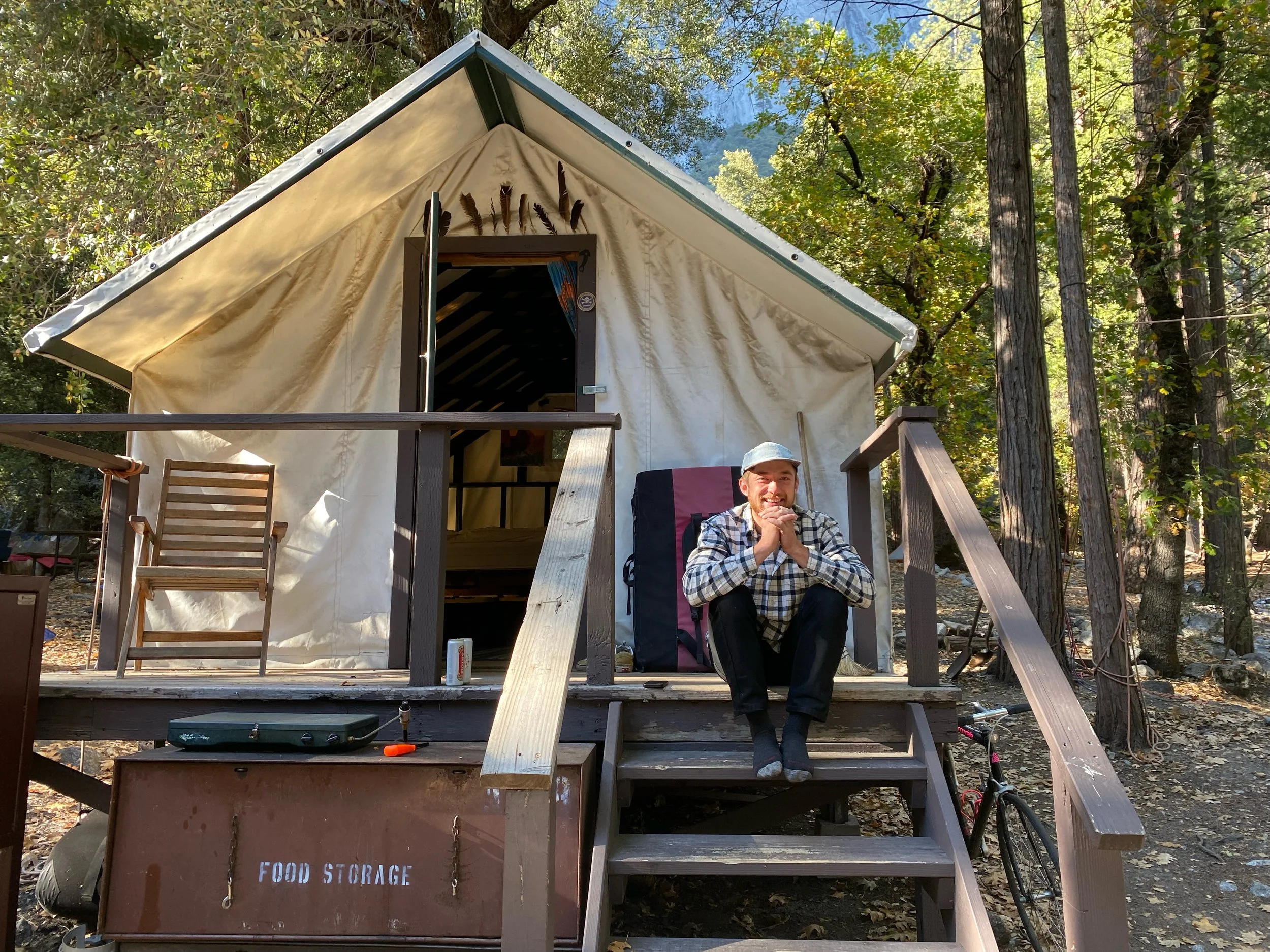
Miles Fullman at home at the SAR Site in Yosemite Valley, California. Photo: August Landefeld
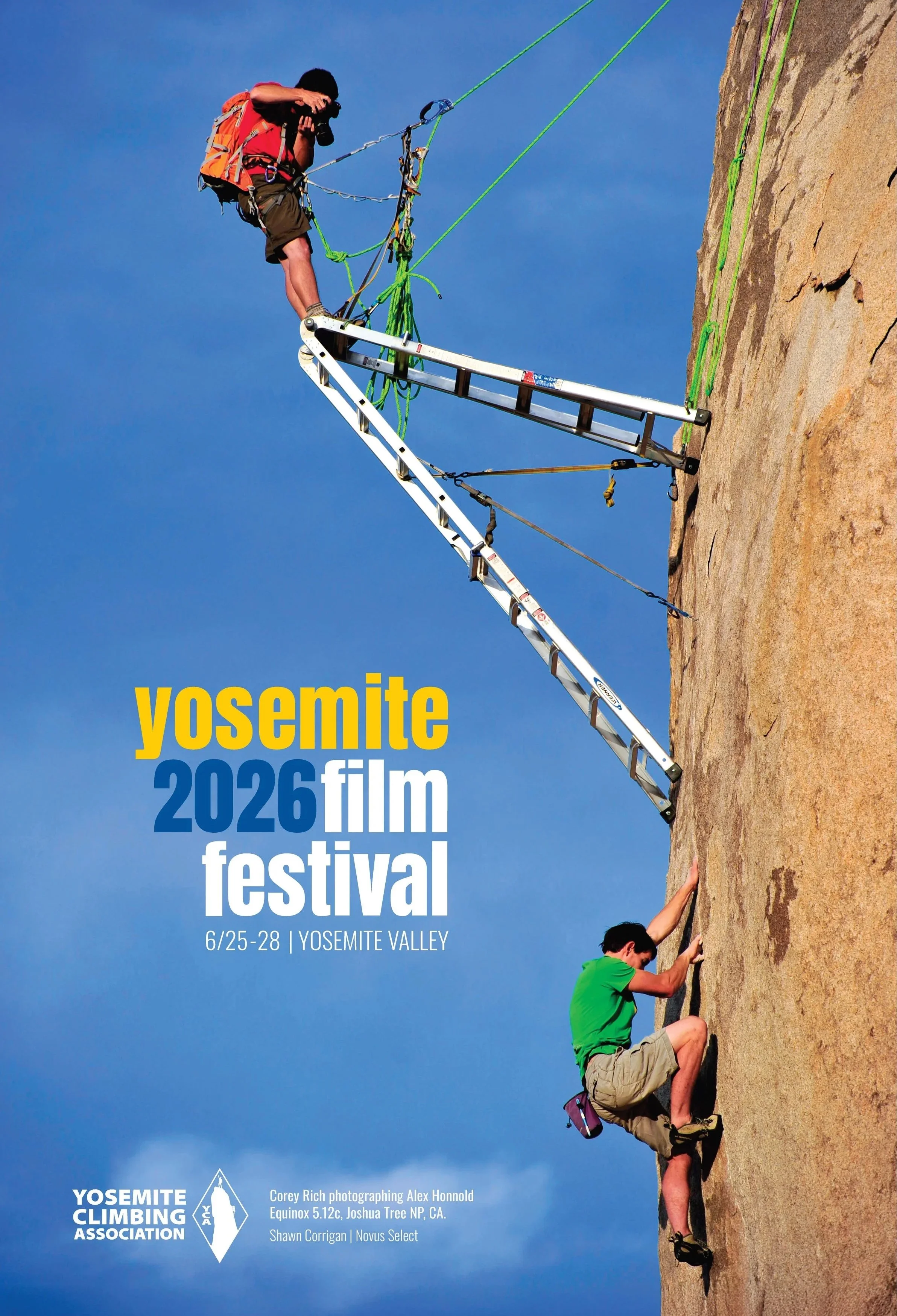
Yosemite Film Festival and Storyteller Summit
The Yosemite Film Festival and Storyteller Summit is taking shape and we need your help.
In its inaugural year, this festival is a gathering rooted in place, shaped by the landscape, the people, and the stories that come out of Yosemite.
This is not just about films. It is about the conversations that follow. The questions that linger. The responsibility that comes with telling stories about wild places. We are curating films and bringing together storytellers who care deeply about how these places are represented and protected.
And we are doing it intentionally. Thoughtfully. From the ground up.
Help us shape what this festival becomes. Become a film festival supporter and get in on the action below:
👉 Yosemite Film Festival & Storyteller Summit KICKSTARTER CAMPAIGN
📆 We’ll see you in the valley June 25-28, 2026.
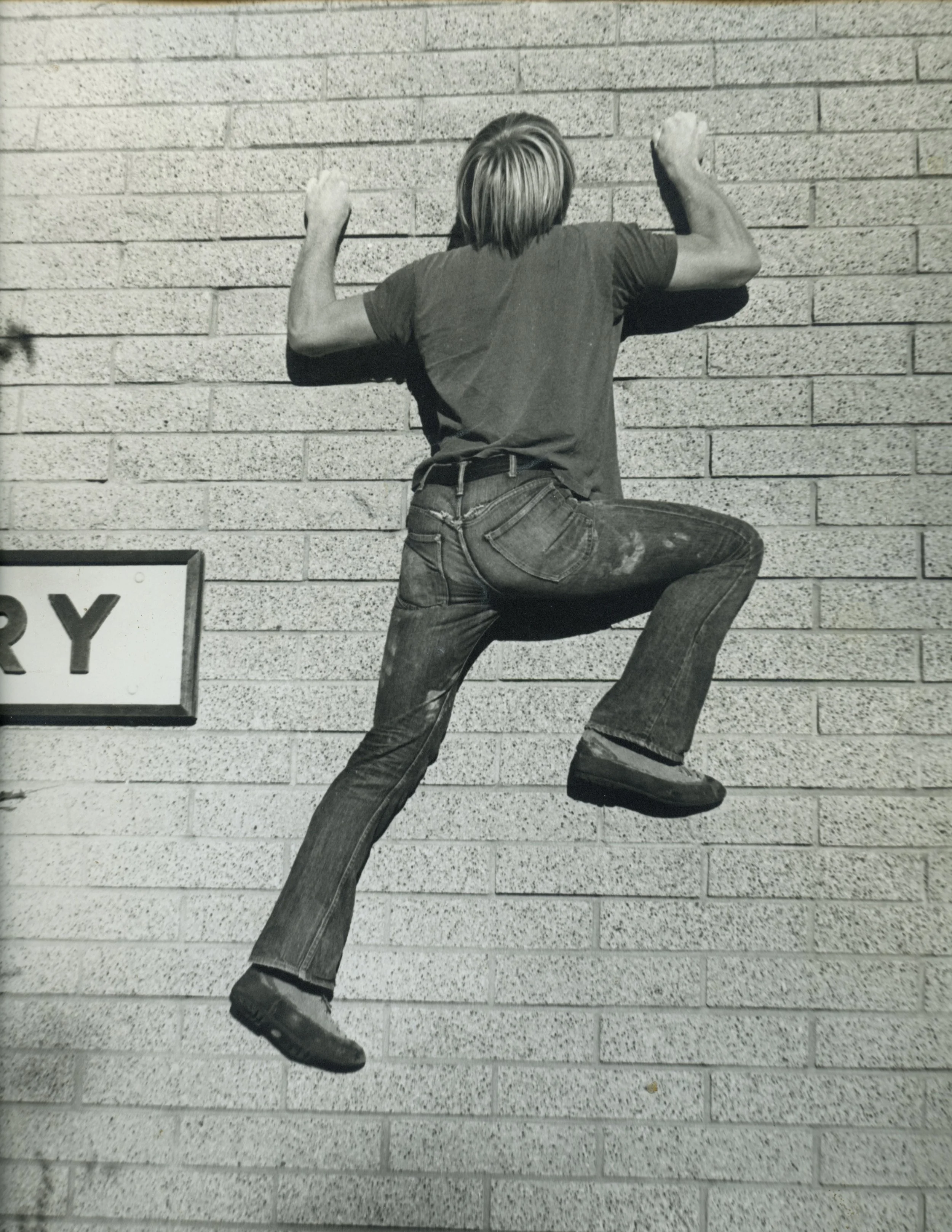
Jon Ranstrom climbing on the jewelry store wall 1973 or 1974. Photo: Ken Yager Collection
Buildering
Founder’s Log | By Ken Yager
After school, if not at the library, I would hang out at Alpine Products, a mountain shop with a good selection of climbing gear. I had recently been introduced to rock climbing and I was determined to learn everything I could by reading about it. Alpine Products had a little seating area with shop copies of all the outdoor magazines. Over and over, I read issues of Summit, Mountain, Off Belay, Mountain Gazette and the newer one Climbing Magazine. Through those magazines and the library books, I learned a lot about climbing all over the world. I learned about Yosemite, California’s premier climbing area only 4 hours away. I had just started 7th grade and all I could think about was climbing. I would have climbed every day if not for school.
I found out that both Alpine Products employees were climbers. Dan Hare was the younger one and less experienced with Gene Drake being older. When Gene spoke, people listened. He was a quiet and gentle person that was sure of himself. Both Dan and Gene had climbed in Yosemite, which put them both in Climbing God status in my eyes. I absorbed every word spoken. Through them I heard about an informal climbing club that met for pizza and beer on Wednesday nights at the Antique Bizarre. They invited me to come. I was thrilled.
I met all the local climbers at these gatherings. I felt like I was in heaven, sipping my root beer as I listened to their climbing stories. One night I heard a discussion about buildering. I thought they meant bouldering until I heard the word repeated. I asked what they meant and they explained it was bouldering on buildings. “Really?” I thought they might be pulling my leg. That is when I first heard about the bouldering circuit on the UCD campus. I was invited to go out the next evening. I was told to wear dark clothes. Cool.
The next evening, we met by the gymnasium. It was dark as we walked from building to building. Most of the problems were traverses, some were pretty difficult. Climbing was frowned upon by the campus police, hence the dark clothing. Someone would keep an eye out at all times ready to give the alarm. I was blown away. It never occurred to me that you could climb on buildings. I could now climb every day. I looked at buildings in a completely different way and climbed as many as I could. I established a climbing circuit at the local high school. I climbed my house chimney and taught my brother how to belay me on the fig tree in the back yard. I climbed all over my friends’ houses. I started getting stronger.
I worked at the local Baskin-Robbins, and the adjacent building had brick walls with broken brick facing on it offering a rare hand or foot hold. Occasionally the mortar between the bricks left an exposed brick edge. It was the most like climbing outdoors and was hard on the fingers. Across the street was a 1 ¼ inch shallow crack in the same type of brick. There were a lot of good climbs, and I could get pumped quickly. It was in the middle of town and busy with pedestrians, but there were a couple issues. On the left edge of the wall was an entrance to a dental office and on the right edge was a jewelry store. Concerned about getting arrested, I decided it was best to climb in the daytime when the jewelry store was open. I never went on the roof. It was a little annoying with people stopping to ask questions. We did our best to ignore them.
One afternoon a young woman came out and asked us to stop climbing until 5 pm. She had on a white outfit and explained she was the dental assistant. Her boss was trying to drill on someone and we were kicking the wall and making noise when falling. We were distracting him at the expense of his poor patient. We apologized profusely and promised not to do it until after they had closed. After that the timing became a little tougher and we chose to climb just before dark.
There was a bolt ladder on the UCD gym that went up three stories through the ivy. I taught myself how to aid climb on the ladder. I practiced aid climbing on the inside of backstops swinging around trying to get my balance in my aiders. In 1975 I bought a set of Crack N Ups. I climbed up a couple stories with them at my high school. As I placed them between metal stucco flashing and the adjoining brick wall, the Crack N Ups would slide down until they caught as I weighted them. I lead both cracks over a concrete landing and shudder…to think what would have happened if I fell.
For a little while I had an extra job washing pots at the UCD housing cafeteria for the Web-Em Hall. On one of my breaks, I saw chalk marks on the wall to the right of the main housing entrance. It was similar to the brick wall by Baskin-Robbins, but substantially higher and more imposing. The climb was over concrete and wide shallow steps. I found out through the grapevine it had first been climbed by Steve Self, a red headed college student known for being a 5.11 climber. I had met him at one of the climbing club gatherings. His climb was an impressive looking route with a spicy landing. I heard that it had taken him a year to complete it. It looked hard!
I started bringing my shoes to work and would try to climb the first few moves on my breaks. I was used to this kind of climbing from several years on the wall by Baskin-Robbins. My preferred shoe for buildering were the Vasque Ascenders that I had bought for aid climbing. I preferred them over EB’s because they were stiffer and gave me a lot of foot support on the brick edges. I started working the route, feeling out the bottom moves. It was harder than anything I had tried before, the edges were small and sparse. After the first couple moves, I managed to commit to standing up on a high right foot over the first concrete step. I hung on for a bit looking for the next hold and jumped off, well aware of the step below. I was so psyched to get past the first crux and was on cloud nine as I went back to wash more pots and pans.
Over the next few days, I worked out a few more moves and got comfortable jumping off onto the steps. Later the next week I managed to get to the top of the climb making the second ascent. This was the best route I did on a building in Davis. Steve put up a good one. It was the most like a real rock climb. It was not contrived, it wandered, and it was committing. I went back many years later and there was another route next to it.
A big part of buildering was keeping an eye out for the police. Climbers were misunderstood back then. There were a city police force and a campus police force in Davis. Most of my buildering I did at night. It was best to climb quickly and move on before the cops arrived. We became adept at running away, escaping into the shrubbery. I was caught three times. The first time was by the campus police and the city police. They both arrived just as I mantled on top of the gym after climbing the bolt ladder. My friend was belaying me from below. The police didn’t know how to get me down. I offered to rappel, but they were worried I would get hurt. The gymnasium was closed. There was a hatch that I used as an anchor and it was unlocked. I untied and dropped the rope which probably freaked them out. I went through the hatch and worked my way down in darkness to the front doors. The police called my dad and they let me go with a warning. No more climbing on campus. I went back later and retrieved my carabiners that I had to leave behind.
I was caught twice at the wall by Baskin-Robbins. Both times they had reports of a jewelry store break-in. The first time I lucked out as one of the officers was a climber and climbed with Gene Drake. It was dark and he suggested that daylight would be a better time. With relief, we left. The third time I got caught in the daylight and the officers weren’t so understanding. They were probably getting tired of all the calls. They called my dad and escorted me home.
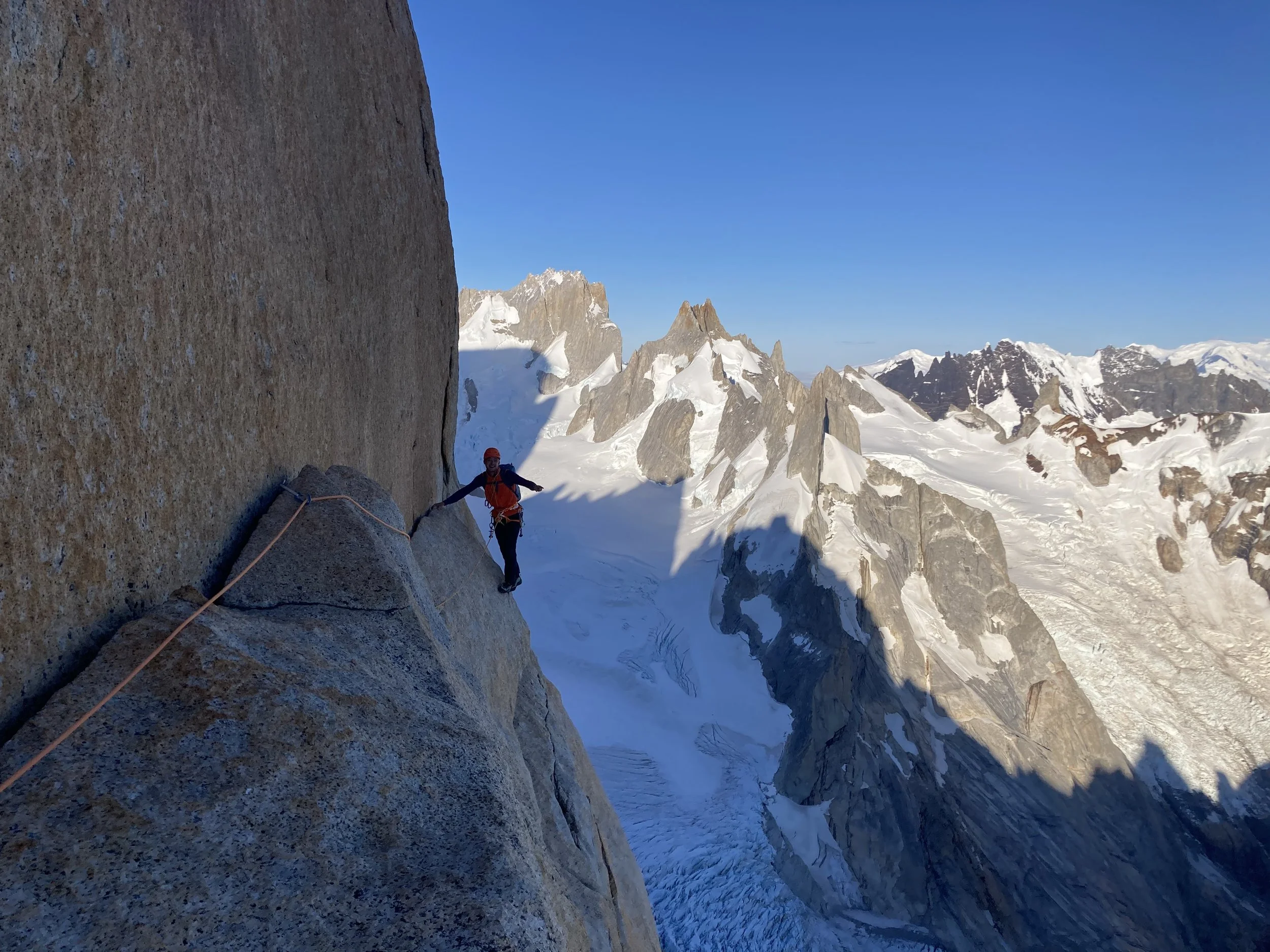
PHOTO OF
THE WEEK
Miles Fullman climbing the Comesaña Fonrouge on Aguja Guillaumet in Patagonia, Argentina. Photo: August Landefeld

Stay up to date on the latest climbing closures in effect!
Get your permits, do your research, and hit the wall!
Visit the Yosemite Climbing Museum!
The Yosemite Climbing Museum chronicles the evolution of modern day rock climbing from 1869 to the present.
The YCA News Brief is made possible by a generous grant, provided by Sundari Krishnamurthy and her husband, Jerry Gallwas